

Post-Purchase Dissonance and How to Reduce It
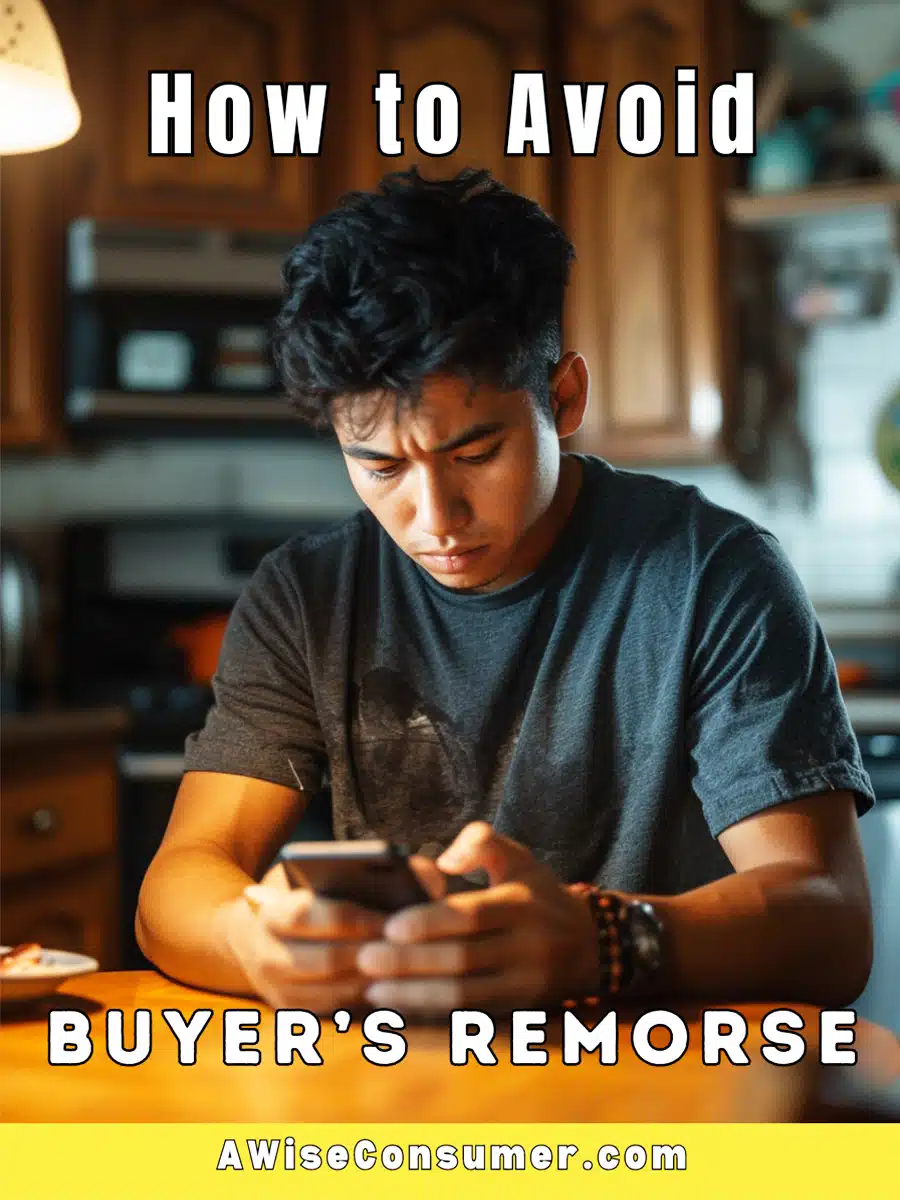
Every consumer, at some point, has faced a lingering sense of doubt or regret after making a purchase. This feeling, known in the consumer world as post-purchase dissonance, is not just common; it’s a natural psychological response that can occur after any purchase, big or small.
What is Post-Purchase Dissonance?
Post-purchase dissonance is a state of psychological discomfort experienced by consumers after making a purchase. This phenomenon occurs when you question whether you made the right choice or fret about the alternatives you didn’t choose. It’s a widespread part of the shopping experience, affecting consumers at all levels, whether they’re buying high-end electronics, everyday groceries, or life-changing investments like a car or home.
A study conducted in the UK shows that 82% of consumers experienced post-purchase dissonance in the past, while 67% of respondents stated that they experienced it within the past year.
Causes of Post-Purchase Dissonance
This feeling of unease or regret can be triggered by several factors. First, high-cost purchases naturally lead to more significant dissonance due to the high stakes involved. Spending a substantial amount of money raises the fear of making the wrong decision. Another common cause is the availability of numerous alternatives. In today’s market, where consumers are bombarded with choices, selecting one over the other can often lead to second-guessing. Personal and social pressures also play a role. Purchases made under the influence of trends or peer pressure can lead to doubts once the initial excitement fades.
Types of Purchases More Likely to Cause Dissonance
Some purchases are inherently more prone to induce post-purchase dissonance. High-value items, such as electronics, vehicles, or property, can cause significant stress and doubt due to their impact on financial resources and lifestyle. Products with a multitude of alternatives, such as clothing, gadgets, or even service providers, also contribute to this phenomenon, as the abundance of choice can be overwhelming. Additionally, items purchased as part of a trend or fad, or those heavily influenced by advertising, often lead to dissonance as they may not meet the lasting needs or preferences of the consumer.
Identifying Post-Purchase Dissonance in Your Own Experiences
Recognizing post-purchase dissonance involves self-reflection and awareness of your post-purchase feelings and behaviors. It often manifests as a sense of regret or uncertainty, where you question the necessity or value of the purchase. You might find yourself continually comparing your choice to other available options or justifying your decision to yourself or others. This self-doubt and rationalization are key indicators of post-purchase dissonance.
Real-Life Examples of Post-Purchase Dissonance
Consider a situation where after much deliberation, you decide to buy a high-end laptop. Shortly after the purchase, you start questioning if you should have opted for a different brand or a model with different features. This scenario is a typical example of post-purchase dissonance. It’s not limited to expensive items; even everyday decisions, like choosing a meal at a restaurant, can trigger similar feelings.
How to Reduce Post-Purchase Dissonance
Reducing post-purchase dissonance involves several proactive steps. Thorough research before any purchase is crucial. Understanding the product, reading reviews, and comparing it with alternatives can provide reassurance about your decision. Setting clear and realistic goals for what you want from a purchase can also help in aligning your expectations with the outcome, thereby reducing potential regret.

1. Strategies for Decision Making
Making informed choices is an effective strategy against post-purchase dissonance. This involves understanding your needs, budget, and the long-term value of a purchase. Avoiding impulsive buying and taking time to reflect on how a product fits into your life can significantly reduce the likelihood of regret. Also, acknowledging that no choice is perfect and every option has its pros and cons can help in accepting the decision you’ve made.
2. Prevention Tips for Consumers
Preventing post-purchase dissonance starts with being a mindful consumer. This means not only being aware of your needs and wants but also understanding the marketing tactics that can influence purchasing decisions. Setting realistic expectations about a product’s performance and satisfaction can also go a long way in preventing disappointment. Additionally, keeping a check on emotional buying, such as purchasing items for instant gratification, can help in making more rational and fulfilling choices.
3. Role of Businesses in Preventing Post-Purchase Dissonance
Businesses have a significant role to play in reducing consumer dissonance. By providing clear, comprehensive, and honest information about products and services, businesses can help consumers make well-informed decisions. Offering robust customer support, including flexible return policies and post-purchase services, can also alleviate the anxiety associated with making the wrong choice, enhancing consumer confidence in their purchases.
4. The Role of Customer Feedback
Another aspect that significantly reduces the impact of post-purchase dissonance is customer feedback. When consumers have the opportunity to share their experiences and read others’ reviews, it provides a sense of community and validation. Positive feedback from other customers can alleviate doubts and reinforce the decision-making process. On the contrary, negative reviews can heighten dissonance, but they also offer a realistic perspective, helping future consumers make more informed decisions.
5. The Psychological Aspect of Shopping
Understanding the psychological aspect of shopping is crucial in managing post-purchase dissonance. The thrill of a new purchase often comes with high expectations, which can lead to disappointment if not met. Being aware of this psychological pattern can help consumers maintain a balanced view of their purchases. It’s important to recognize that the excitement of buying something new is temporary and that the long-term value and utility of the purchase are what truly matter.
6. Importance of Personal Values in Shopping
Personal values play a significant role in consumer satisfaction. Purchases that align with your personal values and beliefs are less likely to cause dissonance. For instance, if environmental sustainability is important to you, buying products from brands that prioritize eco-friendly practices can enhance your satisfaction and reduce post-purchase doubts. Being true to your values in your purchasing decisions can lead to more fulfilling and regret-free shopping experiences.
7. Educating Yourself as a Consumer
Educating yourself about products and market trends is another effective way to combat post-purchase dissonance. Knowledge is power, and the more you know about a product, its alternatives, and its place in the market, the more confident you can be in your purchasing decisions. This education can come from various sources, including product reviews, consumer reports, and even informal discussions with other consumers.
8. Building a Trusting Relationship with Brands
A trusting relationship between consumers and brands can significantly reduce the likelihood of post-purchase dissonance. When you trust a brand, you’re more confident in the quality and value of its products. Brands can build this trust by consistently delivering quality products, engaging in transparent communication, and showing commitment to customer satisfaction. As a consumer, choosing to buy from trusted brands can provide a sense of security and satisfaction in your purchases.

Hi, I'm Kendra! Armed with a Masters in Business Administration and the practical know-how of a veteran Army engineer, I’m your go-to gal for savvy consumer insights. Whether it's unraveling marketing tactics, assessing product value and quality, or exploring sustainable shopping, I've got you covered. Join me for practical tips on economic well-being, making smart purchases, and empowering yourself as a wise consumer in today's complex market.