
Consumers Unveiling the Sneaky World of Price Anchoring
Navigating the retail landscape can often feel like trying to solve a puzzle. With prices fluctuating and sales popping up left and right, how do we know if we’re truly getting a good deal? Enter the concept of price anchoring, a strategy that plays a significant role in how products are presented and perceived by consumers.
What is Price Anchoring?
Price anchoring occurs when retailers set a reference price or “anchor,” which they use to frame the cost of goods. This anchor often comes in the form of a suggested retail price or an original price against which sale prices are compared.
When you see a pair of headphones originally priced at $200 now on sale for $100, the initial price serves as the anchor. This makes the sale price seem like a fantastic bargain, regardless of the headphones’ true market value. The effectiveness of price anchoring lies in its ability to influence consumers’ perception of value, making the process of purchasing more about the perceived savings than the actual cost.
The psychology behind price anchoring taps into our natural tendency to use initial information as a reference point for all subsequent decisions. In traditional marketing, consumers determine if a price is fair by comparing it to previous prices, according to a study of consumers on Frontiers in Psychology. Essentially, a high reference price leads to a higher perceived value, while a lower reference price results in a lower perceived value.
By presenting a higher original price, retailers can steer customers into believing that the sale price offers significant value. This tactic is not limited to high-ticket items; it’s a widespread strategy used across various products and services to stimulate sales and attract price-sensitive shoppers.
Is It Ethical?
The ethical debate surrounding price anchoring is multifaceted. Proponents argue that it’s a legitimate marketing strategy, one that simply highlights the value proposition of goods and services. They posit that consumers have the responsibility to research and make informed decisions, suggesting that price anchoring merely provides a comparative framework.
Critics, however, view price anchoring as manipulative. They argue that it exploits cognitive biases, leading consumers to make purchases based on perceived value rather than need or actual product worth. This perspective raises questions about transparency and honesty in pricing, with concerns that consumers are often misled about the true discounts they are receiving.
The ethical standing of price anchoring, therefore, largely depends on its application—whether it is used to genuinely inform consumers or to deceive them into making impulsive purchases.
Examples of Price Anchoring
Price anchoring manifests in various shopping scenarios, providing insightful examples of its application. In the electronics market, products like televisions and smartphones often have high initial prices, which are then discounted to appeal to bargain hunters.
Similarly, fashion retailers frequently display original prices alongside sale prices, making the discounts seem more substantial than they may actually be. Subscription services, too, use price anchoring by offering reduced rates for the first few months before reverting to standard pricing, enticing customers with the initial savings.
These examples highlight the ubiquity of price anchoring across industries. By presenting consumers with a reference price, retailers can significantly influence purchasing behavior. Awareness of these tactics allows shoppers to critically evaluate offers, distinguishing between genuine value and marketing ploys designed to stimulate impulse buying.
How to Spot Price Anchoring
Recognizing price anchoring in practice is crucial for any consumer looking to shop smart. One common indicator is a striking difference between the original and sale prices. When an item is advertised with a significant markdown, question the validity of the original price.
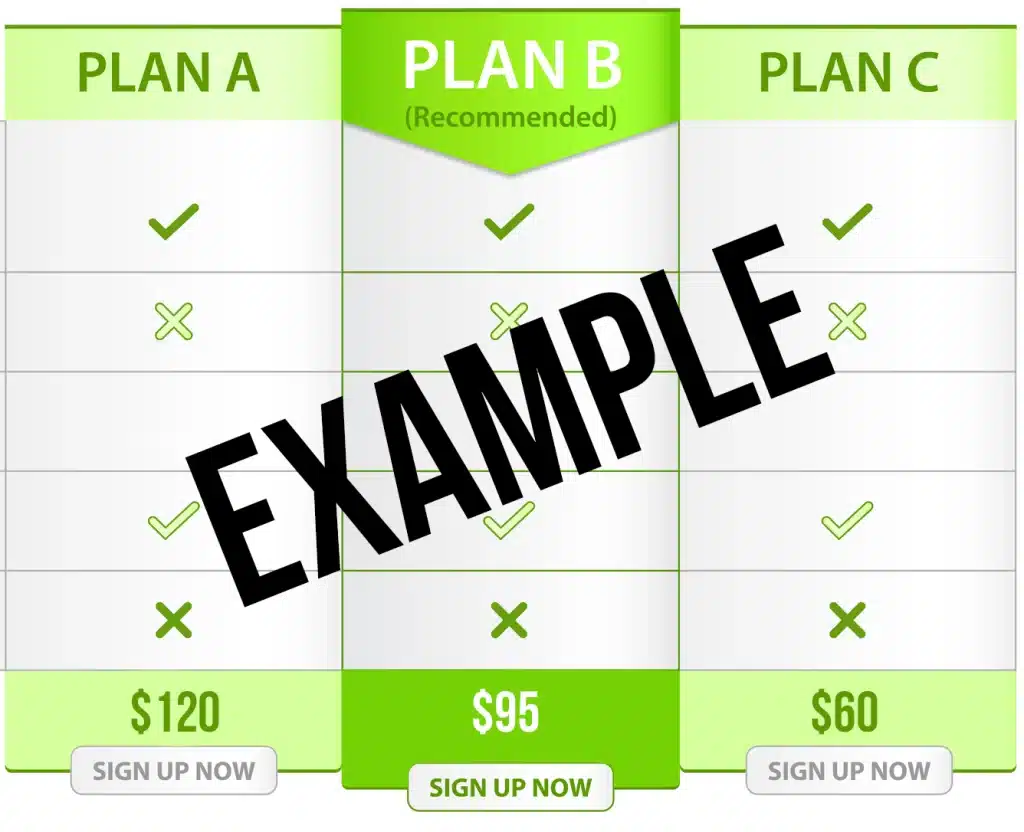
Retailers may also employ comparative pricing, where the price of one product is anchored against a more expensive alternative, making the cheaper option appear more attractive by comparison.
Another telltale sign is the use of urgency in marketing messages. Phrases like “sale ends soon” or “limited time offer” are often used in conjunction with price anchors to compel consumers to act quickly, capitalizing on the fear of missing out on a great deal. By staying alert to these tactics, shoppers can better assess the true value of offers and avoid being swayed by artificial anchors.
The Effects of Price Anchoring
The impact of price anchoring extends beyond immediate purchasing decisions. It shapes consumer expectations and perceptions of value, often leading to increased spending. The allure of getting a ‘bargain’ can overshadow practical considerations, such as whether the product is needed or if it’s truly worth the sale price. This psychological effect can result in buyer’s remorse, where the satisfaction of securing a deal fades once the reality of the purchase settles in.
Moreover, price anchoring can skew our understanding of market prices, making it harder to recognize genuine value. Over time, consumers may become desensitized to discounts, expecting major price reductions as a standard. This shift not only affects individual spending habits but also influences the broader retail environment, encouraging a culture of constant sales and discounting that can diminish brand value and product perception.
How to Avoid It While Shopping
Armed with knowledge of price anchoring, consumers can adopt strategies to mitigate its influence. First and foremost, conducting thorough research before making a purchase is essential. Comparing prices across different retailers and checking historical pricing information can provide a clearer picture of a product’s value. Additionally, questioning the necessity and timing of a purchase can help avoid impulsive decisions driven by perceived discounts.
Setting a budget and sticking to it is another effective way to counter price anchoring. By determining a maximum spend in advance, consumers can resist the temptation of discounts that exceed their financial comfort zone. Furthermore, cultivating an understanding of personal needs versus wants enables shoppers to make purchases based on practicality rather than the allure of a sale.
Price anchoring is a pervasive element of the retail experience, influencing how consumers perceive value and make purchasing decisions. By understanding what price anchoring is, recognizing its presence, and learning how to navigate its effects, shoppers can enhance their ability to make informed choices.


