When is the Best Time to Buy a Generator?
When it comes to purchasing a generator, timing can significantly impact both the price you pay and the selection available. Knowing the best time to buy a generator can save you money and ensure you have the necessary equipment before you actually need it.
The Best Time to Buy a Generator
Off-Season and Pre-Storm Season Shopping
The off-season, which typically falls in late fall through early spring, is often the best time to purchase a generator. During these months, demand for generators is lower as fewer storms occur and the threat of power outages diminishes.
Retailers are motivated to clear out old inventory to make room for new models, leading to significant discounts and promotions. For consumers, this means more negotiating power and a better selection of generators at reduced prices.
Pre-storm season offers another strategic buying opportunity. In regions prone to hurricanes or tornadoes, the period just before these seasons start can be the best time to buy a generator. Retailers may offer sales to encourage homeowners to prepare for upcoming storms.
However, the key is to act early. Waiting until a storm is forecasted can lead to higher prices and limited stock, as demand surges and retailers capitalize on the increased urgency.
Holiday Sales and Promotions
Holidays present another prime opportunity for finding great deals on generators. Major holidays like Black Friday, Memorial Day, and the Fourth of July are known for big sales and discounts on home improvement items, including generators.
Retailers compete for business by offering attractive deals, making these times ideal for consumers looking to save money.
It’s also worth watching for end-of-year clearance sales when retailers are eager to move the last of the year’s inventory. These sales can offer some of the best discounts, as retailers make an extra push to clear out stock before the new year begins.
Tips for Timing Your Purchase
- Stay Informed: Sign up for newsletters and follow your favorite retailers on social media to get early notifications of sales and special promotions.
- Monitor Weather Patterns: If you live in a region with a specific storm season, plan your purchase just before the season starts to avoid the rush and price hikes.
- Check for Discontinued Models: Manufacturers often release new models in the spring, so late winter can be a good time to find deals on last year’s models.
- Consider Your Needs: While finding a good deal is important, ensure the generator meets your specific requirements. It’s not a bargain if it doesn’t suit your needs.
Understanding Your Generator Needs
Before you rush to buy a generator, it’s crucial to understand what you need. The requirements for a generator can significantly vary depending on where you live in the US. For instance, if you’re in an area prone to hurricanes, your needs will differ from someone in a region with frequent snowstorms.
Start by evaluating the essential appliances you need to power during an outage, such as refrigerators, heaters, or medical equipment. This initial step will help narrow down the size and type of generator that fits your needs.
Also, consider the type of generator you want. Portable generators are great for temporary solutions and can be moved as needed.
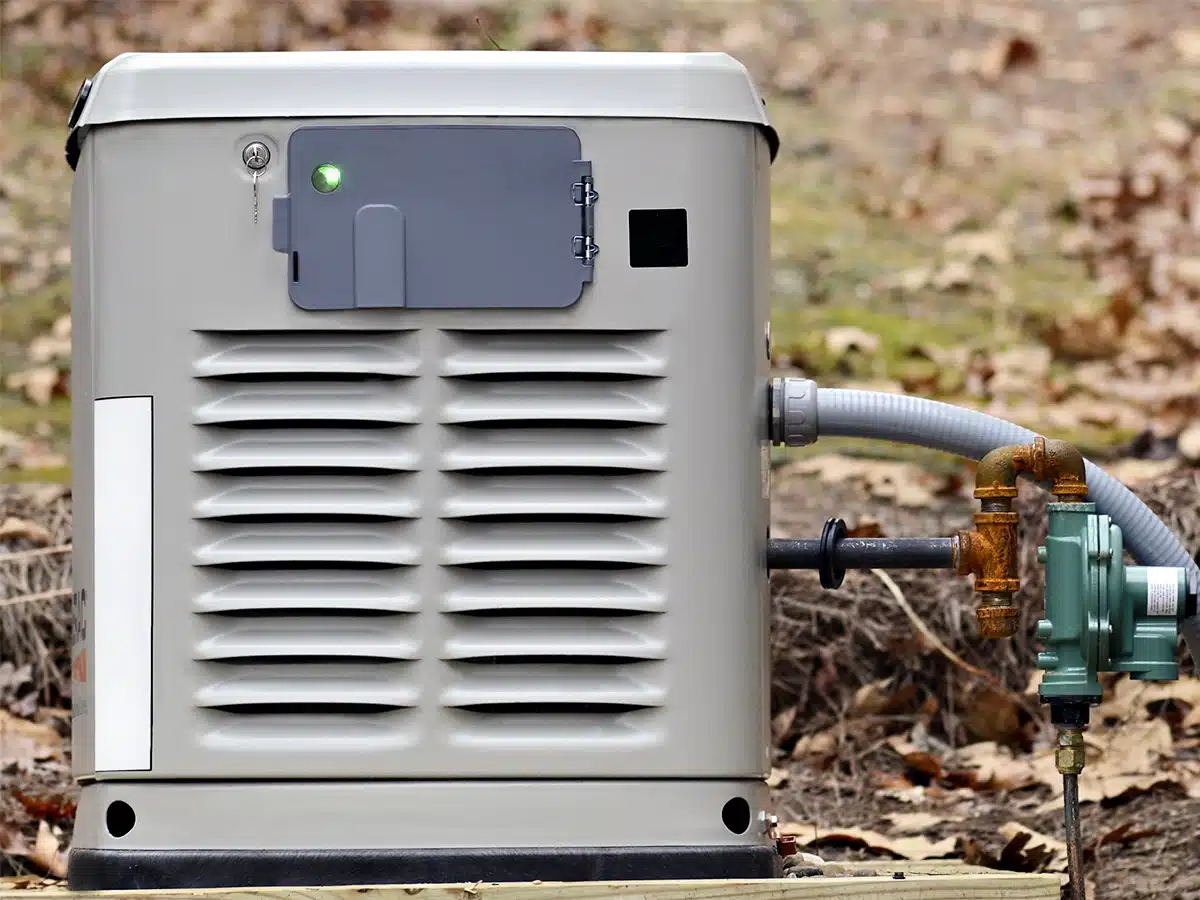
Standby generators, on the other hand, are permanently installed and automatically kick in when the power goes out. Your choice will depend on your budget, the size of your home, and how often you experience power outages.
Things to Know When Buying a Generator
Buying a generator isn’t as straightforward as picking the first one you see. There are generator buying tips to remember, like knowing the difference between wattage outputs.
You’ll need to calculate the total wattage of the appliances you plan to run simultaneously to determine the size of the generator you need. Also, consider the fuel type, as generators run on gasoline, diesel, propane, or natural gas. Each fuel type has its pros and cons in terms of availability, storage, and cost.
Additionally, understand the noise levels and environmental regulations in your area. Some generators are quieter than others, and there might be local noise ordinances to follow.
Plus, consider the emissions and whether the generator meets environmental standards set by your local government or homeowners’ association.

What to Consider When Buying a Generator
When finding the best time to buy a generator, there are several features to consider ensuring you make a wise purchase. Look for models with a fuel gauge, easy start mechanism, and safety features like automatic shut-off in case of overload or overheating.
Portability might also be important if you plan to use the generator in different locations or for outdoor activities.
Moreover, think about the long-term aspects, such as maintenance requirements and fuel efficiency. Some generators are easier to maintain than others, and the cost of running the generator can vary based on fuel efficiency.
These considerations will help you find a generator that not only meets your immediate needs but is also a good long-term investment.
Generator Buying Tips
Doing thorough research is key when buying a generator. Start by comparing prices and reading consumer reviews to gauge reliability and performance. It’s also wise to consider the brand’s reputation for quality and customer service.
Remember, the cheapest option isn’t always the best value in the long run.
Look for warranties and service agreements that protect your purchase. A longer warranty can offer peace of mind, ensuring that any defects or issues will be addressed by the manufacturer.
Also, consider buying from retailers that offer good customer support and return policies.
How to Look for Deals During the Best Time to Buy a Generator
Finding the best deal on a generator requires a bit of strategy. Keep an eye on sales and promotions throughout the year, especially during the aforementioned off-seasons and holiday periods.
Signing up for newsletters from home improvement stores or manufacturers can alert you to upcoming sales and exclusive discounts.
Don’t overlook the possibility of buying a refurbished or slightly used generator, which can be significantly cheaper than a new one. However, ensure it comes with some form of warranty or guarantee for your protection.
Price comparison websites can also be a valuable tool, helping you find the best price among various retailers.
Long-Term Considerations
The initial cost of the generator is just part of the overall expense. Consider the long-term costs like fuel consumption, maintenance, and potential repairs. Some generators are more fuel-efficient than others, which can save money on operating costs over time.
Regular maintenance is also crucial to keep your generator running smoothly and extend its lifespan.
Think about future needs as well. Your power requirements may change if you move to a new house or if your family grows. It might be worth investing in a slightly larger generator than you currently need to accommodate future needs.