
What is it Lifestyle Creep and How to Avoid It?
In personal finance, one term often surfaces with a cautionary note: lifestyle creep. But what does lifestyle creep mean, and more importantly, how does it affect the average consumer and how can one avoid lifestyle creep? Let’s demystify the concept of lifestyle creep, helping you recognize its signs and offering tips to keep it at bay.
What is Lifestyle Creep?
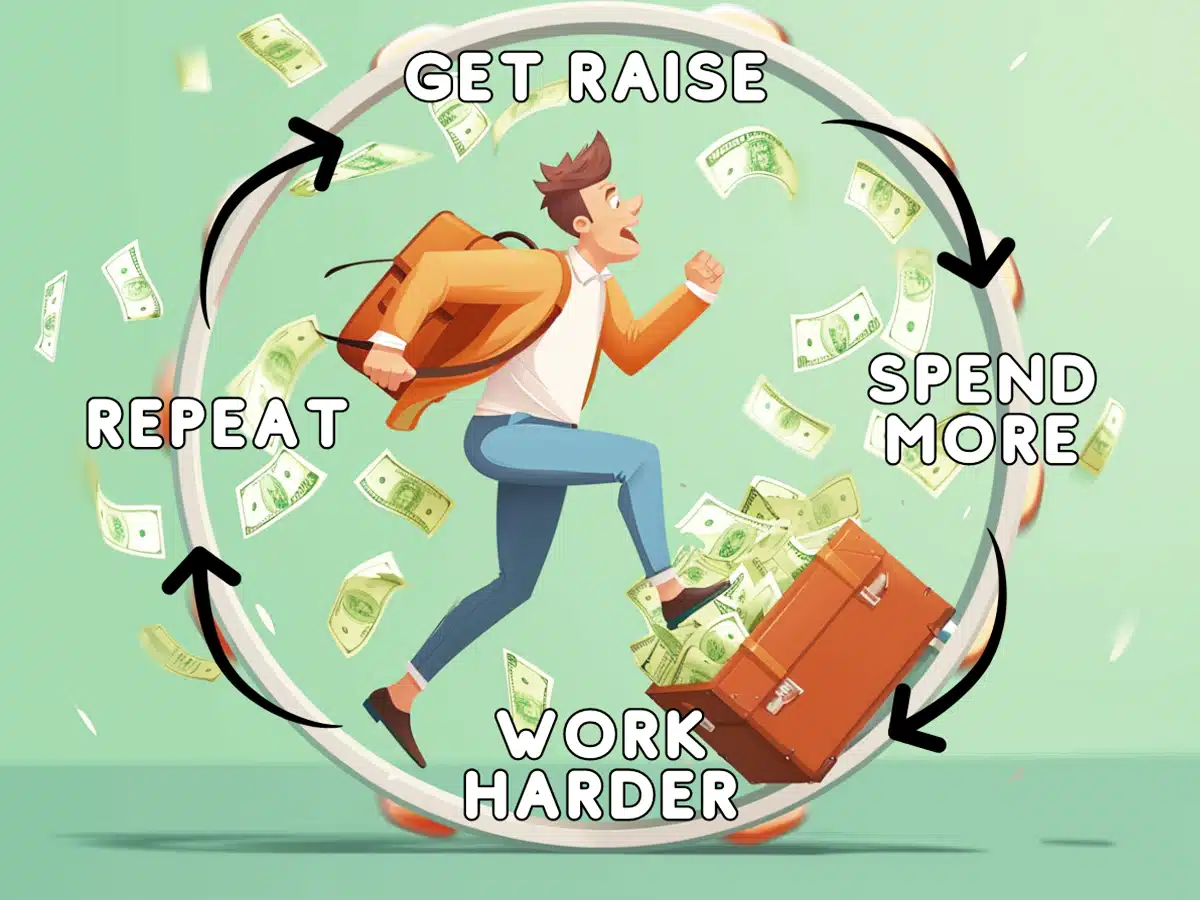
Lifestyle creep, a term gaining traction in personal finance discussions, refers to the gradual increase in one’s spending as their income rises. While it may seem natural to splurge a bit more with every pay raise, lifestyle creep can subtly erode your financial stability. At its core, this phenomenon revolves around consumer behavior – the inclination to upgrade or enhance one’s lifestyle in response to increased earnings.
Imagine receiving a promotion with a significant salary hike. Suddenly, you find yourself dining at fancier restaurants, upgrading your car, or moving into a more upscale neighborhood. These changes, while enjoyable, can lead to a new financial baseline, where higher spending becomes the norm, not the exception. This shift often goes unnoticed, as it aligns with societal norms of success and comfort.
How to Identify Lifestyle Creep
Recognizing lifestyle creep is the first step toward managing it. One clear indicator is a change in your spending patterns without a corresponding increase in savings. For instance, if you notice that your savings account isn’t growing despite a higher income, it could be a sign of increased spending.
Another aspect to consider is your attitude towards money. Do you find yourself justifying expensive purchases more often because you believe you’ve earned it? This mindset can lead to a cycle where increased earnings are met with proportionate, if not greater, increases in spending.
To identify lifestyle creep, compare your current spending with that of a year or two ago. Has your lifestyle changed significantly? Are these changes aligned with your long-term financial goals, or are they merely for immediate gratification?
Disadvantages of Lifestyle Creep
The primary disadvantage of lifestyle creep is its impact on long-term financial security. While indulging in life’s luxuries isn’t inherently bad, consistently doing so without a parallel plan for savings and investment can hinder your ability to build wealth. This behavior can delay or even jeopardize key financial goals, such as retirement planning, debt reduction, or creating an emergency fund.
Beyond financial constraints, there’s a psychological aspect to consider. Continuous spending can lead to a perpetual cycle of seeking satisfaction through material possessions, often leading to stress and discontent in the long run.

Examples of Lifestyle Creep
Let’s look at some everyday examples. A common scenario is upgrading your vehicle simply because you can afford a more expensive model, not because it’s necessary. Another example is habitually dining out or ordering takeout instead of cooking at home, a pattern that can significantly increase monthly food expenses.
These instances highlight a critical point: the blurring of lines between needs and wants. While upgrading your lifestyle isn’t wrong, doing so without mindful consideration can lead to financial strain.
Ways to Avoid Lifestyle Creep
Avoiding lifestyle creep doesn’t mean you shouldn’t enjoy your hard-earned money; it’s about striking a balance. Implementing a budget is a powerful tool in this regard. It helps you allocate funds for both necessities and pleasures while ensuring savings aren’t neglected. A survey conducted by Debt.com found that 8 out of 10 Americans choose to have a monthly budget.
Another effective strategy is automating your savings. Setting up automatic transfers to a savings or investment account ensures a portion of your income is saved before you have a chance to spend it. This “pay yourself first” approach is a cornerstone of sound financial planning.
Furthermore, setting clear, long-term financial goals can help you stay focused. Whether it’s saving for a home, investing in your retirement, or setting up a college fund for your children, having defined objectives can make it easier to resist unnecessary spending.
Tackling lifestyle creep is key to securing a stable and prosperous future. By monitoring your spending habits, following a structured budget, and setting clear goals, you can enjoy the benefits of your earnings without undermining your long-term security and peace of mind.


